Don't miss our holiday offer - 20% OFF!

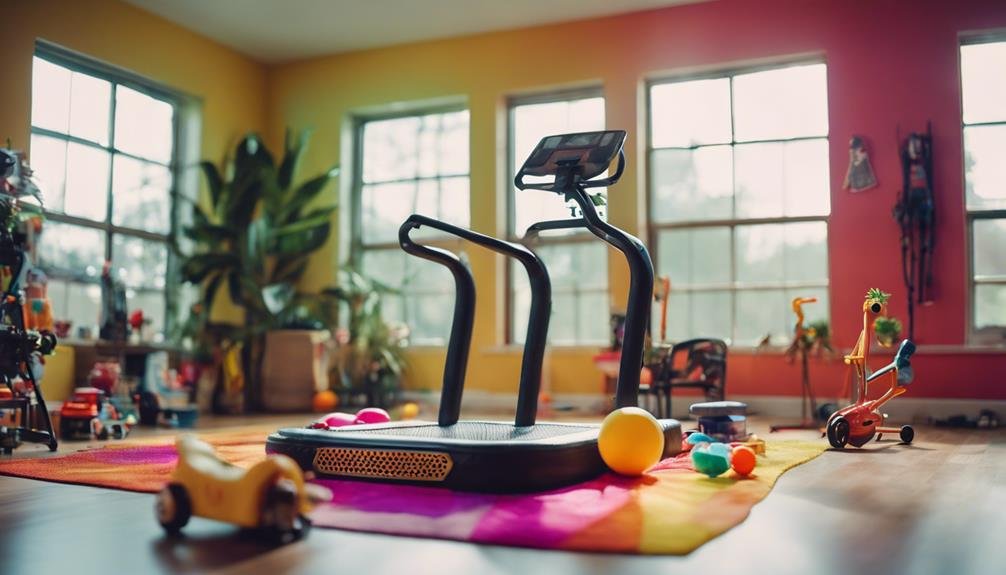
Creating a Family-Friendly Home Gym
Get ready to transform your space into a fun and functional fitness haven that will have your whole family moving and grooving together!

We're creating a family-friendly home gym where everyone can get moving, have fun, and make fitness a habitual part of our daily lives. We start by evaluating our space and budget, then choosing kid-friendly equipment that promotes confidence and coordination. A safe workout area is a must, with sturdy flooring and essential boundaries. We'll add fun accessories like fitness trackers and gadgets to bring excitement to our workouts. As we design our space, we'll prioritize functionality and make fitness a family affair, involving our kids in the process and setting achievable goals together. Now, let's get started and watch our home gym come to life!
Key Takeaways
- Establish a realistic budget to allocate funds wisely and avoid overspending on equipment and accessories.
- Measure the room's dimensions to dictate the type and size of equipment, ensuring a comfortable and safe exercise environment.
- Involve kids in building the home gym to teach healthy habits and make fitness a fun, family-bonding experience.
- Choose equipment designed specifically for kids, such as mini machines and youthful yoga mats, to promote physical activity and confidence.
- Create a fun and engaging atmosphere with upbeat playlists, bright color schemes, and quirky decor to inspire movement and exploration.
Assessing Your Space and Budget
As we initiate creating our family-friendly home gym, we need to take stock of our available space and budget to establish we're building a workout haven that's both functional and financially feasible. Measuring our space's constraints is vital, as it will dictate the type and size of equipment we can accommodate. We must consider the room's dimensions, doorways, and any obstacles that could hinder our workout flow. By doing so, we'll guarantee a comfortable and safe exercise environment for our family.
Next, we need to prioritize our financial resources. Setting a realistic budget will help us allocate our funds wisely, avoiding overspending on unnecessary equipment or accessories. We must identify our financial priorities, distinguishing between essential items and nice-to-haves. By being mindful of our spending, we can create a home gym that meets our needs without breaking the bank. By evaluating our space and budget, we'll lay a solid foundation for our family-friendly home gym, paving the way for a fun and effective workout space that brings us together and inspires a lifelong love of fitness.
Choosing Kid-Friendly Fitness Equipment
With our space and budget in mind, we can now focus on selecting kid-friendly fitness equipment that's both fun and functional, encouraging our little ones to get moving and develop a lifelong love for exercise. We want our kids to associate fitness with excitement and enjoyment, not boredom or drudgery. That's why we're opting for equipment that's designed specifically for kids.
Youthful Yoga mats and accessories are a great starting point. These colorful, kid-friendly props make yoga a fun and engaging experience for our little ones. We're also investing in Mini Machines, such as mini exercise bikes or kid-sized treadmills, that allow our kids to mimic our workouts in a safe and controlled environment. These machines are designed to promote physical activity while building confidence and coordination. By choosing equipment that's both fun and functional, we're setting our kids up for a lifetime of healthy habits and a positive relationship with exercise.
Designing a Safe Workout Area
As we set out to design a safe workout area, we're committed to creating a space that's both functional and secure for our families. We'll start by considering the floor space we have available, ensuring it's sufficient for our equipment and movement. Next, we'll explore soft flooring options and establish essential boundaries to prevent accidents and injuries.
Floor Space Considerations
We dedicate a significant amount of floor space to our home gym, ensuring a safe workout area that accommodates our equipment and movement. When designing our home gym, we need to consider the floor space constraints to avoid overcrowding and ensure a comfortable workout experience. Measuring the room and equipment is crucial to determine the ideal layout.
| Area | Measurement | Tips |
|---|---|---|
| Main Workout Area | 7×7 ft (minimum) | Leave enough space to move around equipment |
| Corner Space | Utilize corners with functional equipment | Install shelves or hooks for accessories |
| Pathways | 3-4 ft wide | Ensure easy navigation around equipment |
Soft Flooring Options
By incorporating soft flooring options into our home gym design, we create a safe workout area that reduces the risk of injury and enhances our overall exercise experience. We want our workout space to be a haven, not a hazard. Soft flooring is essential for family-friendly workouts, especially when we're working out with kids. It's vital to choose flooring that can withstand heavy use and provide adequate cushioning for high-impact exercises. Eco-friendly options like recycled rubber flooring or cork tiles are not only sustainable but also provide excellent shock absorption. Additionally, acoustic panels can be integrated into the flooring design to minimize echo and create a more comfortable workout environment. By investing in soft flooring, we're investing in our well-being and the well-being of our loved ones. With a safe and comfortable workout space, we can focus on achieving our fitness goals without worrying about injuries or distractions. Let's get moving, safely and sustainably!
Boundary Setting Essentials
To guarantee our home gym remains a safe haven, we're setting clear boundaries that define our workout area, keeping exercise equipment and accessories organized and out of the way to prevent tripping hazards and unwanted interruptions. By establishing these boundaries, we're ensuring that our workout space remains a distraction-free zone, allowing us to focus on our fitness goals.
Here are three essential boundary-setting strategies to keep in mind:
- Designate a "tech-free" zone: Establish a screen-free zone in your workout area to minimize distractions and promote a more mindful workout experience.
- Set personal boundaries: Communicate your workout schedule and needs to your family members, ensuring they respect your personal space and time.
- Create a "workout-only" zone: Designate a specific area for exercise equipment and accessories, keeping them organized and out of the way to prevent clutter and tripping hazards.
Incorporating Fun Fitness Accessories
Adding playful twists to our workouts with fun fitness accessories can make all the difference in sustaining our enthusiasm and motivation. We've found that incorporating gadgets and tools that bring an element of fun and competition to our workouts has been a game-changer for our family. One of our favorite additions has been fitness trackers. These wearable devices allow us to track our progress, set goals, and even compete with each other in a friendly way. We've also invested in virtual coaches, which provide personalized workout routines and guidance. These virtual coaches have helped us mix up our workouts and avoid plateaus. Plus, they've given us the accountability we need to stay on track. By incorporating these fun fitness accessories, we've been able to create a home gym that's not only functional but also engaging and enjoyable. We're excited to see how these tools will continue to help us reach our fitness goals and make exercise a sustainable part of our lifestyle.
Creating a Playful Workout Atmosphere
As we transformed our workout space, we deliberately crafted a playful atmosphere that sparks energy and motivates us to get moving. We wanted our home gym to be a place where everyone in the family feels excited to exercise, not intimidated or bored. To achieve this, we focused on creating an environment that inspires us to move and have fun while doing it.
Here are a few ways we brought our vision to life:
- Music Inspiration: We curated a playlist that gets us pumped up and energized. Upbeat tunes that make us want to dance or sing along are perfect for high-intensity workouts, while mellow tracks help us stretch and cool down.
- Color Schemes: We chose a palette that's bright, cheerful, and stimulating. Vibrant hues like orange, yellow, and green lift our mood and stimulate our senses, making us more likely to stick to our fitness routine.
- Quirky Decor: We added fun and whimsical touches, like motivational quotes, fitness-themed artwork, and even a few playful props like jump ropes and exercise balls. These details add a touch of playfulness to our workouts, making them feel less like a chore and more like an adventure.
Setting Up a Functional Workout Zone
As we set up our functional workout zone, we're focusing on the essentials that'll help us stay motivated and reach our fitness goals. We'll start by identifying the essential equipment we need to get started, and then optimize our floor space to create a seamless workout flow. By doing so, we'll create a workout zone that's both functional and inviting for the whole family.
Essential Equipment Needs
We'll start with the foundation of our functional workout zone: a sturdy, compact, and versatile exercise mat that provides the necessary grip and cushioning for high-intensity workouts. This is where the magic happens, and we can't wait to get started!
Next, we'll focus on the essential equipment that'll help us achieve our fitness goals. Here are the must-haves for our home gym:
- Home Treadmills: Perfect for cardio enthusiasts, home treadmills offer a convenient and space-saving way to get our daily dose of running or walking.
- Folding Bikes: These compact and portable bikes are ideal for indoor cycling workouts, providing an effective way to improve cardiovascular fitness and strengthen our legs.
- Resistance Bands: Lightweight, versatile, and easy to store, resistance bands are perfect for strength training and can be used for a variety of exercises, from bicep curls to chest presses.
With these essentials in place, we'll be well on our way to creating a functional workout zone that's both effective and enjoyable. Stay tuned for the next step in our home gym journey!
Optimizing Floor Space
By strategically arranging our equipment, we're maximizing our floor space to create a seamless workout flow that fuels our motivation and efficiency. A well-planned layout is vital to a functional workout zone, allowing us to move freely between exercises without obstacles. To achieve this, we're focusing on corner utilization, where we're placing smaller equipment like resistance bands, jump ropes, and yoga mats. This clever use of dead space guarantees we're not wasting an inch of our floor space.
Next, we're adopting open layouts to promote a sense of freedom and flexibility. By positioning our equipment in a circular pattern, we're creating a flowing workout zone that encourages movement and exploration. This layout also allows us to easily shift between exercises, keeping our workouts engaging and dynamic. By optimizing our floor space, we're not only maximizing our workout area but also our motivation and energy levels. With a well-designed workout zone, we're more likely to stick to our fitness routines and achieve our wellness goals.
Building a Home Gym on a Budget
Creating a home gym that fits our budget and meets our fitness goals requires some strategic planning and savvy shopping. We don't need to break the bank to create an effective workout space. With a little creativity and resourcefulness, we can build a home gym that's both budget-friendly and effective.
Here are some budget hacks to get us started:
- Shop second-hand: Websites like Craigslist, Facebook Marketplace, and local garage sales often have gently used exercise equipment at a fraction of the cost.
- Opt for space savers: Compact equipment like resistance bands, jump ropes, and exercise balls are affordable and take up minimal space.
- DIY your own equipment: Get creative and make your own weights, bars, and other equipment using household items or repurposed materials.
Involving Kids in the Process
As we build our home gym, a crucial step is to involve our kids in the process, not only to teach them healthy habits but also to make fitness a fun, family-bonding experience. By doing so, we're not only creating a space that's kid-friendly but also instilling in them a love for fitness that will last a lifetime. We can start by setting kid-friendly goals that are achievable and fun, like completing a certain number of workouts together or trying out new exercises as a family. This not only helps them develop a sense of accomplishment but also encourages them to take ownership of their fitness journey. As parents, we're also fitness role models, and by involving our kids in the process, we're showing them that fitness is a priority and a normal part of our daily lives. By working out together, we're creating memories, building stronger bonds, and shaping the next generation of fitness enthusiasts.
Making Fitness a Family Affair
In our pursuit of a healthier lifestyle, fitness becomes a shared responsibility, a collective commitment that strengthens our family bonds and fosters a sense of teamwork. We're not just exercising; we're building a culture of wellness that benefits everyone.
When we make fitness a family affair, we set a powerful example for our kids. As role models, we show them that taking care of our bodies is essential to living a happy, healthy life. By working out together, we're not only achieving our own fitness goals but also instilling healthy habits in our children.
Here are three ways to make fitness a family affair:
- Set family fitness goals: Identify activities everyone can enjoy, like playing sports, going for bike rides, or practicing yoga together.
- Make it fun: Choose exercises that feel like playtime, like dancing, jumping rope, or playing tag.
- Schedule it in: Treat family fitness time as non-negotiable, just like dinner or bedtime routines.
Frequently Asked Questions
Can I Convert an Outdoor Space Into a Home Gym?
"We can totally convert an outdoor space into a home gym! We'll choose outdoor equipment that's durable and weather-resistant, then transform our patio into a functional workout area, perfect for our fitness journey."
How Do I Ensure Proper Ventilation in My Home Gym?
"We prioritize air quality by installing ventilation systems that exchange stale air for fresh, ensuring our home gym stays healthy and comfortable, and we're motivated to sweat freely!"
Are There Any Kid-Friendly Workout Apps or Online Classes?
We've found awesome kid-friendly workout apps and online classes that make fitness a blast for our little ones! Apps like GoNoodle and Sworkit Kids offer fun exercises and games, promoting kids' fitness in a way that's both engaging and educational.
Can I Customize My Home Gym With Personal Photos or Decor?
"As we step into our sanctuary, surrounded by motivational quotes, inspirational colors, and personal mementos, we're energized! We can definitely customize our space with whimsical artwork, making it a reflection of our personality, fueling our fitness journey with positivity and passion."
Do I Need a Specific Type of Flooring for My Home Gym?
We're considering the best flooring options for our space, and it's vital to choose the right gym surfaces. We'll opt for durable, shock-absorbing, and easy-to-clean options like rubber flooring or interlocking foam tiles to provide a safe and comfortable workout experience.
Conclusion
As we wrap up our journey to create a family-friendly home gym, we're left feeling like a master chef who's whipped up a recipe for success. By following these simple steps, we've cooked up a space that's both fun and functional, where fitness and family blend together seamlessly. Now, get ready to sweat, smile, and make memories with your loved ones in your new home gym – where every rep is a step towards a healthier, happier you!